This report explores the past and present role of social clubs in shaping civic and political life in Britain. Drawing on their history and current practice, it looks at how clubs have supported political participation, what has changed, and what role they could play in rebuilding democratic life today.
Why social clubs matter for democracy
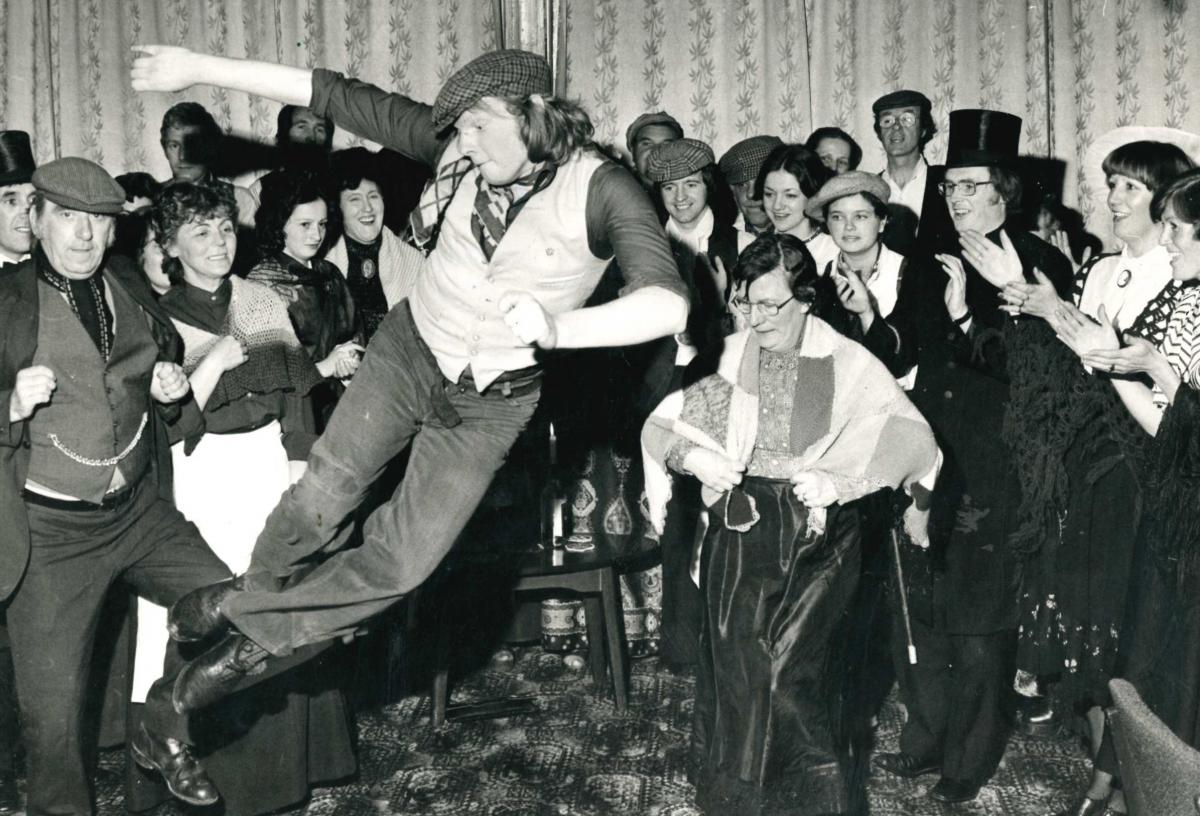
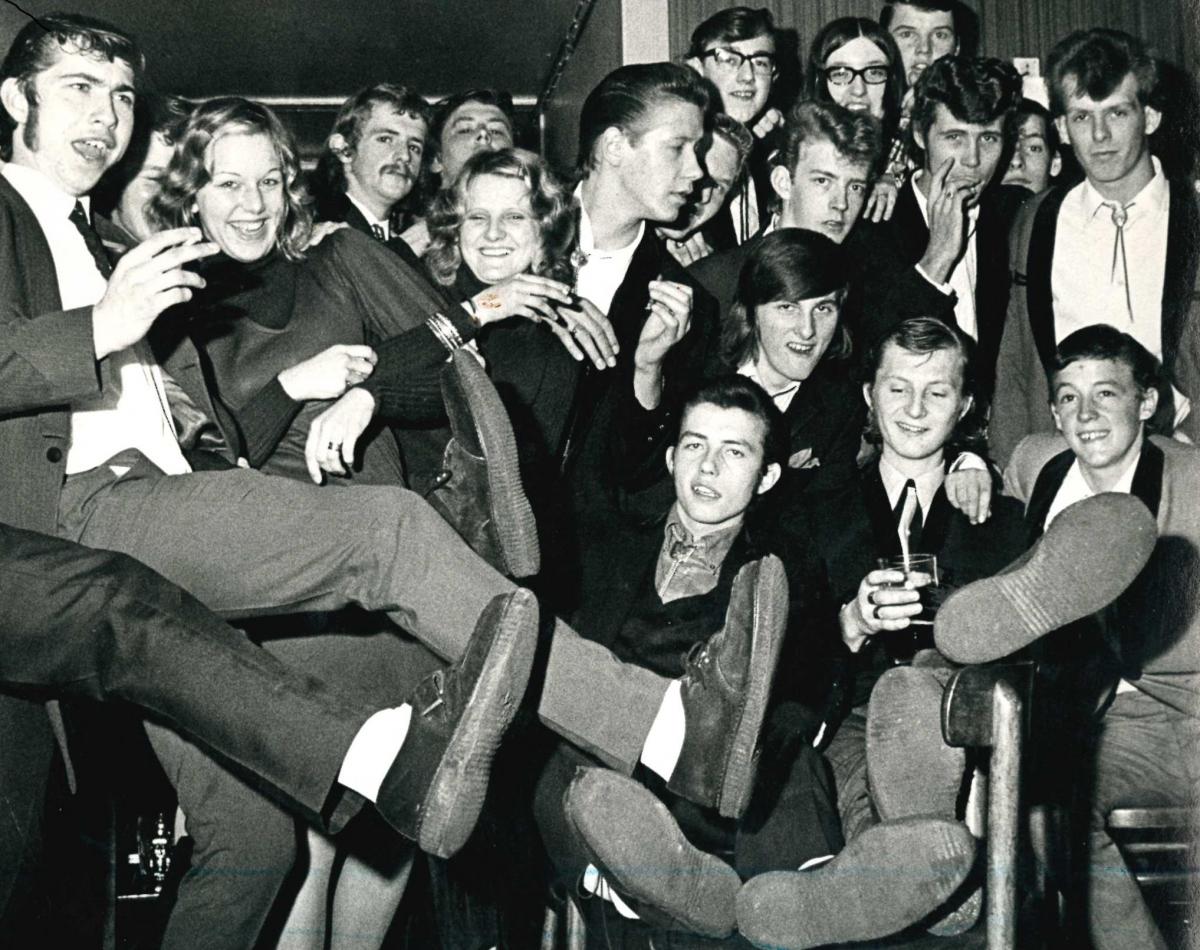
Social clubs emerged in the mid-19th century as member-led, not-for-profit institutions rooted in working-class communities. They were not only places for recreation, but spaces for political education, debate, and collective organisation, playing a vital role in the development of civil society during industrialisation and the growth of mass democracy.
By the early 20th century, their influence extended beyond the local. Clubs acted as training grounds for democratic life, with activities such as lectures, lending libraries, and self-run learning groups building political literacy. Many members went on to hold public office, with club members at one point making up a significant share of MPs. This history highlights the role clubs played in developing civic capacity – and what has since been lost.
What’s changed — and why it matters now
In recent decades, the position of social clubs has weakened. Many have closed due to financial pressures, demographic change, and declining participation in community governance. As a result, one of the key spaces where people once developed confidence, relationships, and political awareness has been reduced.
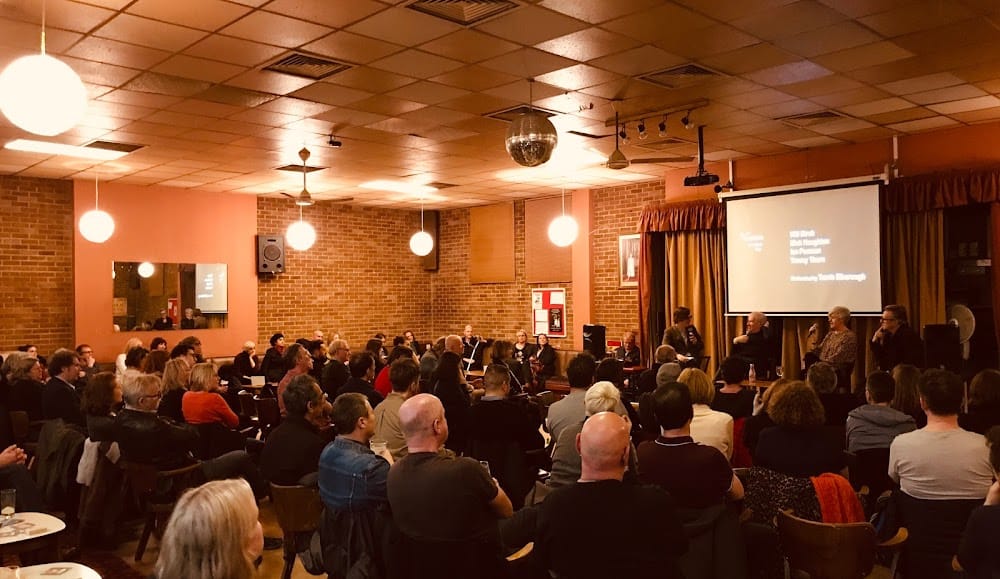
At the same time, the need for these kinds of spaces has grown. The report identifies a wider “connection crisis”, marked by political disillusionment and social fragmentation. While some clubs have adapted – for example through new cultural programmes or serving different communities – the broader trend points to a gap in the spaces where people can come together, build trust, and engage in public life.
What government and civil society should do next
The report argues that social clubs should be recognised as part of the solution to declining participation in democratic life, and supported accordingly.
Key areas for action include:
Recognising clubs as democratic infrastructure — Treating social clubs as essential spaces for building trust, relationships, and civic capacity
Supporting political participation — Using clubs as venues for political events, local consultations, and engagement with communities who feel distant from decision-making
Partnership with public institutions — Encouraging local government and civil society organisations to work with clubs as partners in strengthening local democracy and service delivery
Rebuilding civic pathways — Supporting clubs as places where people can develop confidence, skills, and experience in democratic participation
Funding and development support — Providing financial backing and business development programmes to help clubs modernise, broaden membership, and remain sustainable
Governance and training — Investing in specialist training to support the democratic and organisational role of membership-led institutions
The report’s overall argument is that, with the right support, social clubs could once again play a central role in connecting people to each other and to political life — helping to rebuild trust and participation in democratic institutions.