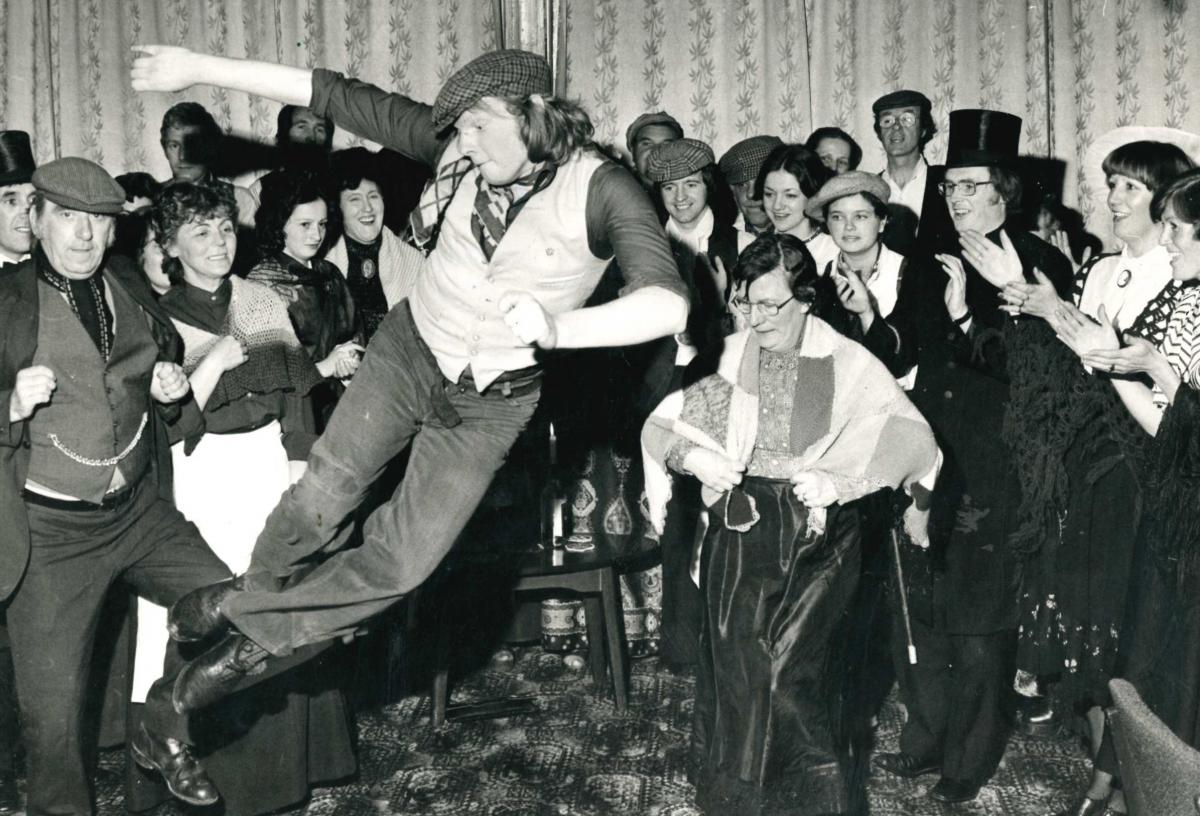
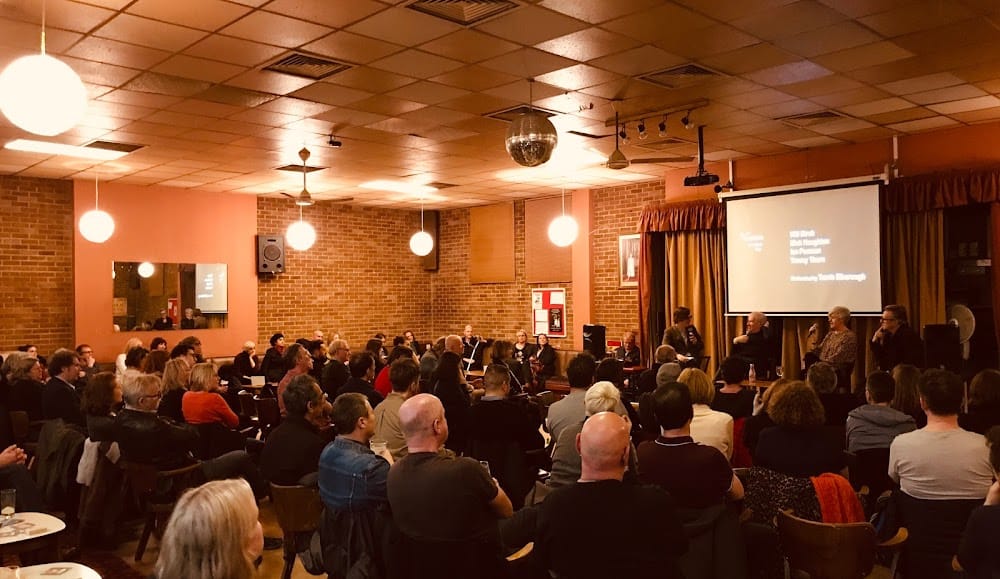
This report explores the contribution of social clubs to community life across the UK. Through conversations with club members and committees in places including Tyne and Wear, West Yorkshire, the South East, and Greater London, it considers their distinctive model of membership and governance, the challenges they face, and the lessons they offer for the future of shared civic spaces.
What’s happening to the places where people meet?
Across the UK, the places where people meet are under growing pressure. Community centres, social clubs, and other shared spaces have long played a vital role in neighbourhood life, providing opportunities for social connection, cultural activity, democratic participation, and everyday support. Yet many of these spaces now face an uncertain future.
Decades of declining public investment, rising building and energy costs, and changing patterns of leisure and social life have left much of this social infrastructure in a fragile state. Some buildings have closed or been sold, while others survive only through significant volunteer effort or operate for limited hours each week. At the same time, the demand for places where people can gather, organise, and build relationships has rarely been greater.
What makes social clubs different?
This report looks at one enduring but often overlooked model: social clubs. Whether known as working men’s clubs, factory clubs, or simply social clubs, they are found in towns, cities, and villages across the country. What makes them distinctive is that people come together not simply as customers or service users, but as members with a shared stake in the life of an institution.
Membership is what underpins this difference. It transforms a building from something people simply use into something they collectively steward. Members participate in decision-making, elect and join committees, and take responsibility for the organisation’s long-term health. They contribute financially, but also through their time, knowledge, and labour.
Decisions about the use of space, investment in facilities, and the direction of the organisation are debated and decided locally. Over time, this creates a distinctive relationship between people and place, building shared responsibility, local leadership, and responsiveness to community needs. In practice, clubs become places where regular interaction builds familiarity, trust, and informal support networks, while also providing affordable and accessible venues for social and cultural activity.
What does this mean for the future of clubs — and how we design ‘social infrastructure’?
These characteristics matter in the context of a wider national debate about the future of community spaces, often described as ‘social infrastructure’. Much of this discussion focuses on funding and investment. However, the experience of social clubs suggests that how a place is organised and owned may be just as important.
The membership model, with its emphasis on collective ownership and democratic governance, offers practical lessons for how community spaces can be sustained. Social clubs are not only a legacy of working-class institutional life, but also a living example of how participation, responsibility, and local decision-making can support resilient and active communities.
This brings us back to a simple but important question: how do I join? If membership is what transforms these spaces and keeps them going, then ensuring that people can join, participate, and feel a sense of ownership is central to their future.
Our key findings
From these conversations, five findings stand out, each pointing to what makes the membership model worth defending:
Member-owned clubs are a distinctive form of ‘social infrastructure’ — Social clubs are community institutions that provide value for whole neighbourhoods, not just their members.
Membership models create stronger relationships between people and place — Membership creates emotional attachment and collective stewardship, which strengthens long-term institutional resilience.
Democratic governance builds community leadership and civic participation — Clubs function as everyday spaces of associational democracy that build civic capability.
Clubs support community inclusion and participation in ways formal institutions often cannot — Member-led institutions are often more flexible and responsive to local needs than externally managed spaces.
Clubs generate informal welfare and mutual support networks — Social clubs act as an infrastructure of preventative care, strengthening community resilience through trust-based support