
Social clubs are independent businesses that rely almost exclusively on trading income. Traditionally, this has come from bar sales, event hire, membership dues and gaming machines. However, rising costs across the hospitality sector, combined with declining membership numbers in some areas, have led many clubs to explore new ways of generating revenue – from hosting film location shoots to developing accommodation within their buildings.
Paul Griffin, a local accountant, became treasurer of Guiseley Factory Workers’ Club during the COVID-19 pandemic, when the club was losing £20,000–£30,000 annually and experiencing a further 30% drop in turnover. Recognising the need to stabilise the club’s finances, he advised the committee to invest in the club’s long-term future. As a co-operative society, the club was able to access loan finance, taking out a £50,000 Government Bounce Back Loan and securing additional blended finance through the Thrive Together (loan and grant) programme.
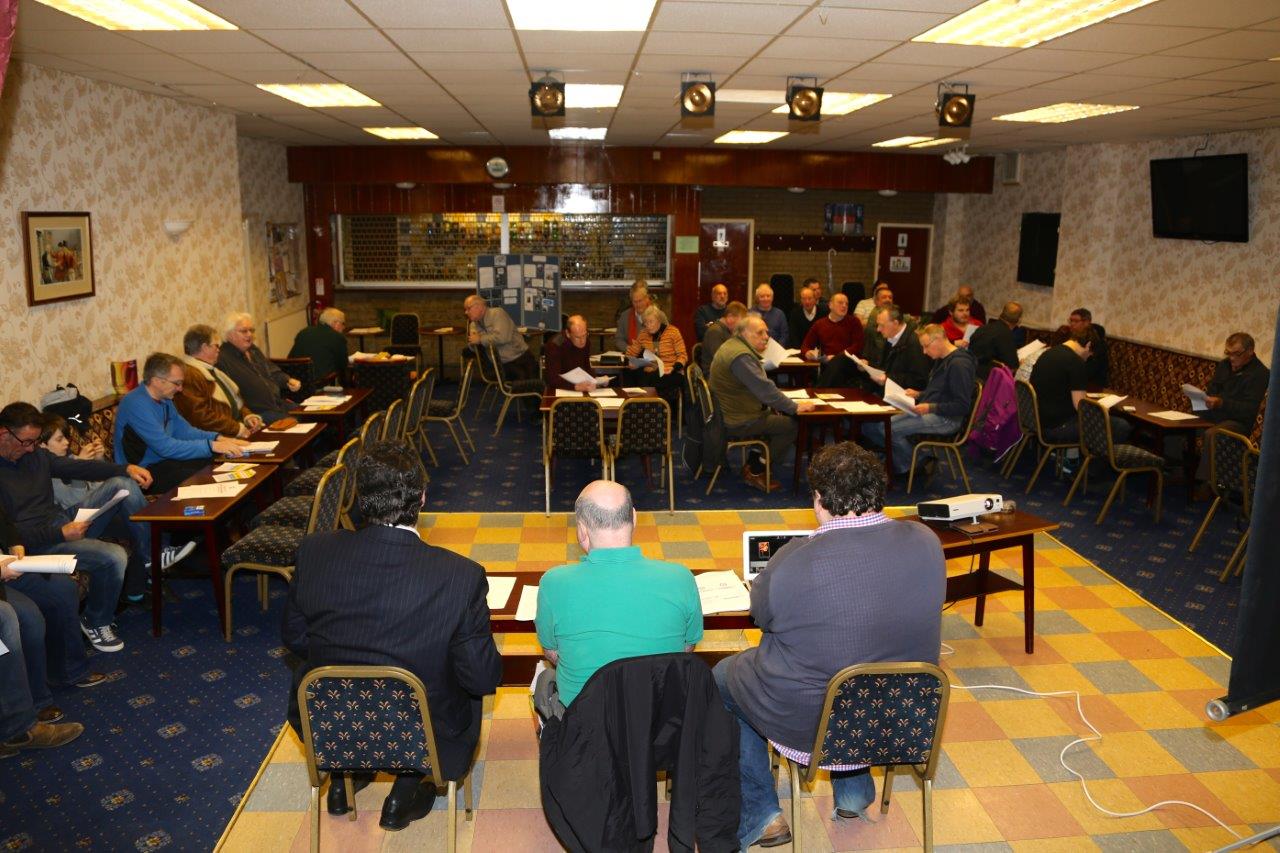
This investment allowed the club to undertake strategic renovations that are helping to address historic losses while creating new income streams. The main hall was refurbished to improve heating efficiency, and fixed furniture was removed and replaced with movable tables and seating, making the space more flexible for events and increasing its earning potential. The club is also exploring plans to convert a disused area into a one-bedroom flat that could provide a regular source of rental income to support ongoing maintenance and operating costs.
The club’s development has also been supported by the commitment of its members. Volunteers contributed labour when installing an external beer garden, demonstrating the way member-owned institutions can combine entrepreneurial activity with collective effort. Together, these factors help explain why the club model can remain economically viable while continuing to operate as a community-focused space.